Deepfake scams might use your voice, but they don’t know what’s in your head. Five minutes of preparation could save your loved ones from falling for fraud.
Table of Contents
‘It Was the Most Terror I’ve Ever Felt’
Elizabeth Benz, a mother from Buffalo, New York, received a phone call in September 2025 that would change her life. “It was my 16-year-old son, John,” she says. “He was sobbing, ‘Mom, my friend is dead. He’s dead.'”
A stranger took the phone. Over 20 minutes, the man told her he’d just murdered her son’s friend and would do the same to John if she didn’t meet him with $7,500 (£5,570) in a Walmart parking lot .
Soon she was driving over. But just in time, John’s brother got hold of him. He was at a football game. John wasn’t in danger, and that wasn’t his voice on the phone. It was all an AI deepfake scam.
If you think you or your loved ones are too savvy to fall for a deepfake, you’re wrong. AI is so good now you can no longer trust your senses, and criminals are perpetrating scams like these on a massive scale .
According to experts, Americans alone lost an estimated $148.2 billion (£110.1 billion) to online scams and crimes in 2025, up nearly 26% from the year prior. AI-enabled scams accounted for $6.3 billion (£4.7 billion) of that.
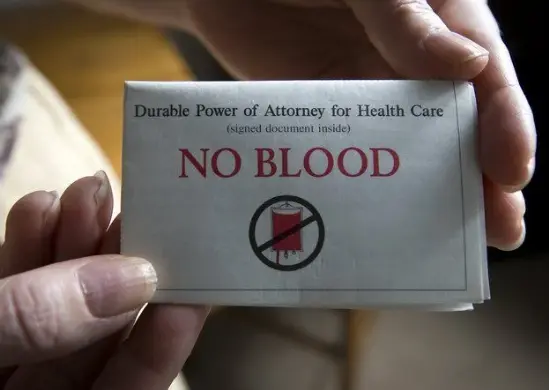
Thankfully, it’s a high-tech problem with a low-tech solution – one that could save you a lifetime of regret. Your family needs a codeword that you use to verify each other’s identity in a crisis .
The scammer might have your voice. They don’t know your secrets. Experts and victims say this is one of the single most important things you can do to stay safe .
What Makes a Good Codeword?
Easy to remember – Choose something your family won’t forget
Hard to guess – Inside jokes and personal memories are a safe bet
Never share it publicly – Keep it strictly between family members
Hany Farid, co-founder of GetReal Security and one of the world’s leading experts on AI deepfakes, says: “My wife and I have a password. If either of us gets an unusual call, we use it to verify identity.”
“If my wife calls and asks me to pick up milk, I’m not asking for the password. But if she says she’s been in an accident and needs me to transfer money – anything unusual – that’s when you use it.” – Hany Farid
Why a Password Alone Isn’t Enough
One of the craziest parts of Elizabeth Benz’s story is her family already had a password for this exact scenario when she got the scam call .
“It just didn’t occur to me to ask for it. These scams get you to an active place of panic where you can’t think straight.” – Elizabeth Benz
Brian Long, co-founder of Adaptive Security, says: “You need to train your mental model to prepare for this scenario.”
Simple Steps to Stay Safe:
Choose a family codeword today – Pick something meaningful and private
Practice the protocol – Rehearse what to do in an emergency call
Set a reminder – Author Thomas Germain sets a phone alert every three months to bug his family about the codeword
Stay calm – In a crisis, pause, ask for the password, and consult someone you trust before acting
The Bottom Line
“I share my story because I want people to know how urgent and scary and psychological and realistic these calls can be. Awareness is the greatest tool.” – Elizabeth Benz
AI deepfake scams are growing exponentially. They can replicate your voice, your loved ones’ voices, and even create convincing video calls. But they can’t replicate your family’s private memories and inside jokes. That’s your secret weapon.
Don’t wait until it’s too late. Pick a codeword with your family today. Practice the protocol. And remember – in a crisis, stay calm, ask for the password, and verify before you act.
For more technology news and insights, sign up to the Tech Decoded newsletter, while The Essential List delivers a handpicked selection of features and insights to your inbox twice a week.









[…] The Secret Codewords That Scammers Hate – And Why Your Family Needs One Now […]